The Aesthetic Appeal of Rooflights: Transforming Your Residence's Interior and Exterior Design
Rooflights function as a transformative element in house design, delivering both aesthetic and functional benefits. They introduce ample natural light, which improves the ambiance of interior spaces and enhances the exterior appearance. Diverse styles of rooflights cater to different architectural preferences, providing opportunities for unique design statements. As homeowners strive to connect more with their surroundings, the impact of rooflights becomes ever more significant. What particular advantages do they provide that surpass mere aesthetics?
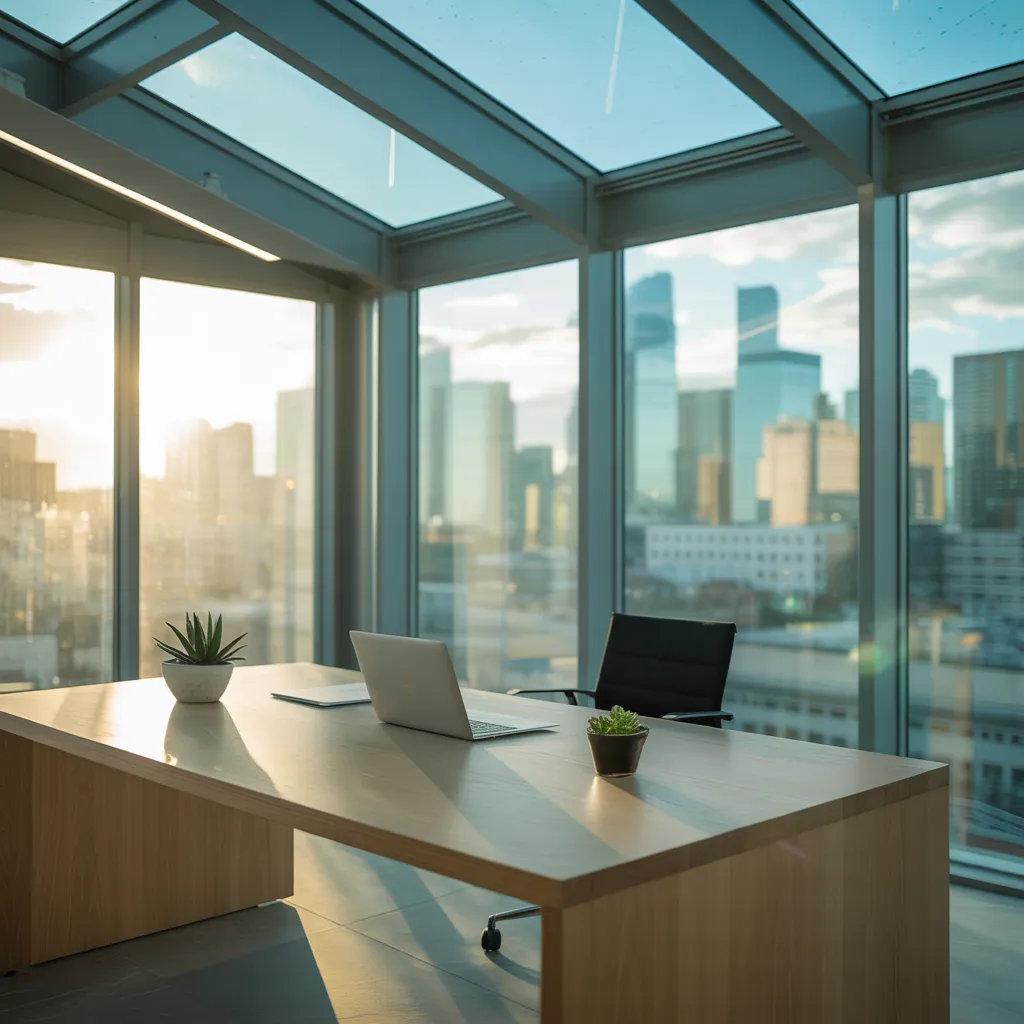
The Advantages of Natural Light in Your Home
While numerous homeowners may overlook the effect of natural light, it plays an important role in enhancing the complete atmosphere of a living space. Natural light not only illuminates a room but also creates a sense of openness and warmth, making spaces feel bigger and more inviting. The presence of sunlight can greatly influence disposition and well-being, promoting feelings of happiness and positivity.
Furthermore, sunlight helps with energy efficiency by minimizing the necessity for artificial lighting during daytime hours, leading to lower electricity bills. It also showcases the beauty of interior design elements, accentuating colors and textures in a way that artificial light can't reproduce. Additionally, exposure to natural light enhances circadian rhythms, which can boost sleep quality. Therefore, incorporating natural light into home design is a easy yet efficient way to elevate both the aesthetic appeal and functionality of living spaces.

Multiple Styles of Rooflights to Match Your Aesthetic
Different rooflight styles offer ways to maximize natural light, with each providing distinct aesthetic benefits to a home. Modern designs often feature flat rooflights, creating a smooth profile that matches minimalist architecture while facilitating generous light. Lantern rooflights, in contrast, provide a traditional appeal, typically present in period homes, improving their character via intricate detailing. For those seeking a dramatic effect, pyramid rooflights create a striking visual impact, drawing the eye upward and illuminating spaces below. Domed rooflights, typically featuring rounded shapes, deliver a more subtle overall appearance, ensuring they work well with both contemporary and classic designs. In the end, operable skylights not only elevate aesthetics but also boost ventilation, meeting functional demands while maintaining style. Each option allows homeowners to tailor their spaces, ensuring that the chosen rooflight seamlessly integrates with both the interior and exterior design of the home.
Elevating Interior Areas Through Rooflights
Rooflights fulfill a critical purpose in enhancing indoor spaces by flooding them with natural light, which can enhance mood and productivity. Additionally, their aesthetic integration into home design can enhance the overall visual appeal, creating a seamless connection between the interior and exterior. Moreover, strategically placed rooflights can contribute to energy efficiency by decreasing reliance on artificial lighting.
Natural Lighting Advantages
Illumination serves a vital function in defining the atmosphere and practicality of indoor spaces, and the installation of rooflights significantly improves this effect. By facilitating natural light to brighten interior areas, rooflights produce a brighter, more inviting atmosphere. This stream of sunlight can lower the need for artificial lighting during the day, contributing to energy savings and a decreased environmental impact. Furthermore, natural light has been proven to elevate mood and productivity, promoting a sense of well-being among occupants. Rooflights also help to create a seamless connection between the indoors and outdoors, improving the overall living experience. Finally, the strategic placement of rooflights can revolutionize a home, making it feel roomier and energetic while leveraging the benefits of natural light.
Aesthetic Integration Design
Elegant design typically depends on the thoughtful integration of architectural elements, and rooflights serve as an impressive element in contemporary home aesthetics. By permitting natural light to flood in from above, rooflights create a seamless connection between indoor and outdoor spaces, enhancing the overall ambiance. Their versatility empowers them to complement different styles, from minimalist to rustic, adding both purpose and elegance. Strategically placed rooflights can accentuate architectural details, showcase artwork, or create focal points within a room. Additionally, their different shapes and sizes offer artistic potential for homeowners and designers alike, allowing for personalized expression. Ultimately, rooflights transform common interiors by infusing them with brightness and atmosphere, elevating the interior design to new heights.
Energy Efficiency Influence
When assessing energy efficiency in home design, rooflights serve a crucial function by increasing natural illumination while decreasing reliance on artificial lighting. By capturing sunlight, they notably lower energy consumption, producing lower utility bills and a reduced carbon footprint. Rooflights also enhance indoor air quality by supporting ventilation, which can additionally improve energy efficiency through the natural regulation of temperature. Furthermore, strategically positioned rooflights can lessen the need for heating in winter and cooling in summer, providing a more comfortable living environment year-round. Their ability to distribute light evenly throughout a space minimizes dark corners, enriching overall ambiance without the need for additional lighting sources. Therefore, incorporating rooflights is a strategic choice for energy-conscious homeowners.
Forming a Smooth Relationship To Nature
Integrating rooflights into residential design enables a seamless blend between indoor spaces and the natural environment. By strategically installing rooflights, homeowners can invite natural light and panoramic views of the outdoors, creating an inviting atmosphere that fosters a relationship with nature. These architectural features not only light up interiors but also enhance the perception of space, making rooms feel more spacious and more open.
Through rooflights, the interaction between light and shadow can dramatically alter a home's mood, echoing the transitions of weather and seasons. Additionally, incorporating greenery like potted plants or indoor gardens near rooflights can enhance this relationship, as organic elements blend beautifully with natural light. Ultimately, rooflights serve as a bridge between the comfort of indoor living and the beauty of the outside world, encouraging inhabitants to appreciate their surroundings while enjoying the benefits of natural daylight.
Rooflights as a Statement of Design
Rooflights don't just improve the bond between indoor spaces and nature but also work as striking design elements within a home. Their presence can turn ordinary ceilings into remarkable visual attractions, adding depth and character to rooms. By implementing diverse styles, sizes, and shapes, rooflights can suit various architectural aspects, from traditional to contemporary designs.
Furthermore, they can create focal points, directing the eye upward and fostering an appreciation of space. Designers commonly use rooflights to highlight particular areas, such as a dining room or a cozy reading nook, enriching the total aesthetic flow of the home. The interplay of light and shadow through these openings also contributes to the dynamic atmosphere within interiors, varying with the time of day. Finally, rooflights not only enrich a home's design but also elevate its visual storytelling, making them an crucial consideration for any aesthetic enhancement project.
Advantages of Sustainable Energy Efficiency
Despite being regularly dismissed in discussions about home design, the eco-friendly and energy efficiency advantages of rooflights fulfill an essential purpose in modern architecture. Rooflights enable natural light to flood living spaces, significantly reducing the need for artificial lighting during daylight hours. This not only decreases energy consumption but also helps decrease electricity consult now bills, contributing to a more sustainable household.
In addition, by facilitating natural ventilation, rooflights can boost indoor air quality and decrease reliance on heating and cooling systems. This integration of natural elements into home design can result in a lower carbon footprint, aligning with contemporary environmental goals.
In addition, numerous contemporary rooflights are constructed from energy-efficient materials that help managing temperature, moreover fostering energy savings. In sum, rooflights work as both aesthetic enhancements and practical solutions for energy efficiency, making them a worthwhile addition to sustainable home design.
Practical Factors for Putting In Rooflights
When planning the installation of rooflights, several practical factors must be examined to deliver a successful outcome. Assessing the structural integrity of the roof is vital, as is identifying the optimal placement for maximum light and energy efficiency. These considerations are essential to enhancing both the functionality and aesthetics of the space.
Evaluation of Structural Integrity
Examining the structural integrity of a home is essential before installing rooflights, as this ensures the safety and stability of the overall design. A detailed assessment should include examining the existing roof structure, including rafters and support beams, to confirm they can bear the additional weight and stress introduced by rooflights. Engaging a qualified structural engineer can provide valuable insights into any necessary reinforcements or modifications. Additionally, the roofing materials and overall condition must be reviewed to prevent potential leaks or structural failures. Homeowners should also consider local building codes and regulations to maintain compliance. This proactive approach not only enhances safety but also promotes the long-term durability of the rooflight installation.
Optimal Positioning Guidelines
To attain the best results in rooflight installation, meticulous evaluation of their placement is vital. The orientation and location of rooflights markedly influence both natural light entry and overall aesthetics. Optimally, they should be installed in areas that maximize light exposure, such as south-facing roofs, while avoiding obstructions from trees or neighboring structures. Moreover, aligning rooflights with existing architectural features can improve the visual appeal of the space. It is also important to assess the size and shape of the rooflight, as larger openings may require additional structural support. Beyond this, ensuring that rooflights are positioned to complement the interior layout will create a harmonious flow between spaces, enriching the overall design and comfort of the home.
Energy Conservation Considerations
While the visual advantages of rooflights are notable, their energy efficiency is a critical factor that necessitates careful evaluation during installation. Picking high-performance glazing can dramatically lower heat loss in winter and decrease heat gain in summer, leading to lower energy bills. Proper insulation around the rooflight is essential to prevent air leaks, which can undermine the home's thermal performance. Moreover, incorporating smart shading systems can further enhance energy efficiency by regulating sunlight exposure throughout the day. Situating rooflights tactically to optimize natural light can lessen reliance on artificial lighting, resulting in overall energy savings. Eventually, considered integration of energy-efficient features assures that rooflights not only improve a space but also support a sustainable living environment.
Frequently Asked Questions
In What Way Do Rooflights Impact a Residence's Resale Value?
Skylights can greatly enhance a home's resale value. They boost natural lighting, create a sense of spaciousness, and elevate overall aesthetic appeal, making properties more appealing to potential buyers in competitive real estate markets.
Are Rooflights Installed in Existing Homes?
Rooflights can indeed be installed in existing properties. Professional assessment is essential to evaluate structural compatibility and guarantee proper installation, enabling homeowners to boost natural light without affecting the integrity of their property.
What Maintenance Do Rooflights Require Over Time?
Roof windows require regular cleaning to get rid of dirt and debris, regular inspections for signs of damage or leaks, and maintenance of seals and frames. Making sure of proper drainage and dealing with any issues without delay can prolong their lifespan and functionality.
Do Specific Building Regulations Exist for Rooflight Installations?
Absolutely, specific building regulations for rooflight installations are in place, changing by location. These codes typically encompass structural integrity, safety, energy efficiency, and aesthetics, making certain that installations meet local codes and do not adversely impact neighboring properties.
What Effect Do Rooflights Have on Indoor Temperature in Summer?
Rooflights can substantially elevate inside temperatures during summer by permitting direct sunlight to enter the area. Without adequate shading or airflow, this can create discomfort and increased cooling costs for homeowners desiring respite from the heat.